Polycystic Ovary Disease (PCOD) is one of the most common hormonal disorders affecting women during their reproductive years. While many people associate it only with irregular periods, PCOD can also influence fertility, metabolism, skin health, and emotional well-being. Recognizing the condition early and following a personalized treatment plan can help prevent long-term complications.
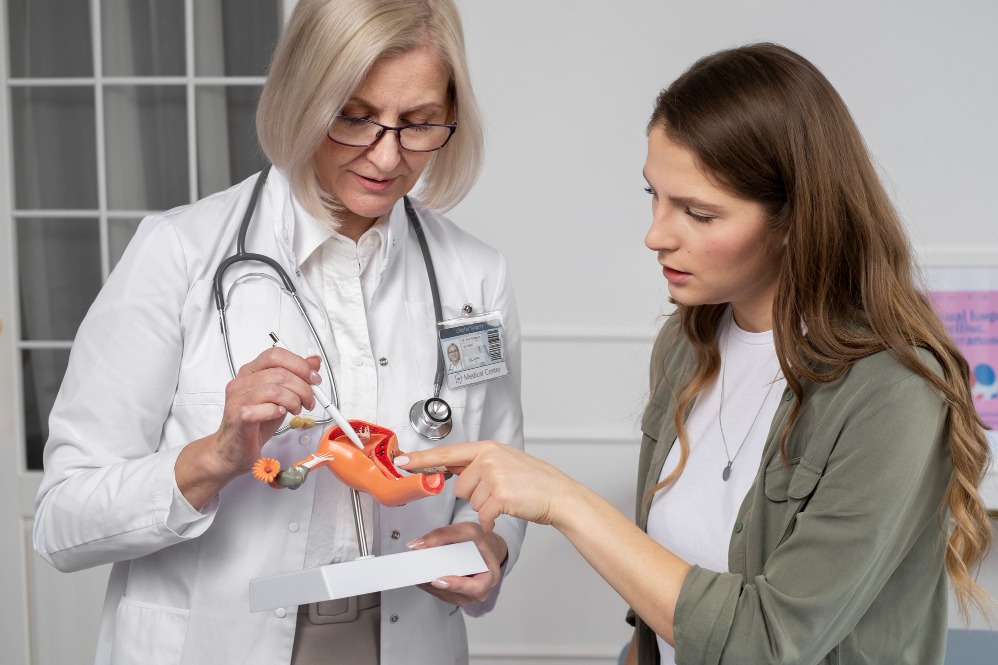
For women living in Matunga and nearby parts of Mumbai, timely consultation with an experienced gynaecologist can make a significant difference. Dr Minu Pandey Gynaecologist helps women understand their condition thoroughly before recommending a treatment plan suited to their health goals and lifestyle.
What Is PCOD?
PCOD occurs when the ovaries produce excess androgens (male hormones), leading to hormonal imbalance. This may result in multiple immature follicles developing in the ovaries instead of releasing mature eggs regularly.
The condition varies from one woman to another. Some experience only mild symptoms, while others may face difficulties with fertility or metabolic health.
Common Symptoms Women Should Not Ignore
PCOD symptoms often develop gradually and may include:
- Irregular or missed menstrual cycles
- Excessive facial or body hair
- Acne that persists into adulthood
- Weight gain, especially around the abdomen
- Hair thinning or hair fall
- Difficulty conceiving
- Darkened skin around the neck or underarms
Not every woman experiences all these symptoms, which is why proper medical evaluation is important.
Why Does PCOD Develop?
Although there is no single cause, several factors contribute to PCOD:
- Family history of hormonal disorders
- Insulin resistance
- Hormonal imbalance
- Obesity or sedentary lifestyle
- Chronic inflammation
Understanding the underlying cause helps determine the most effective treatment approach.
Can PCOD Be Managed Without Surgery?
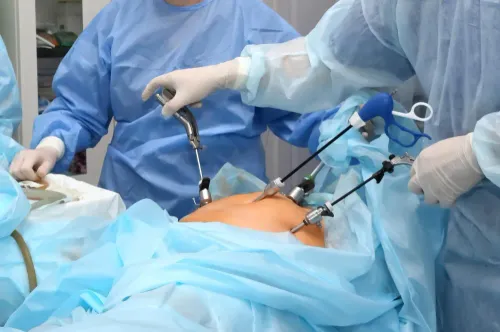
In most cases, surgery is not required. Management usually focuses on improving hormone balance and reducing symptoms through:
- Balanced nutrition
- Regular physical activity
- Weight management
- Medications to regulate menstrual cycles
- Treatment for insulin resistance when needed
- Fertility planning for women trying to conceive
Lifestyle changes often improve symptoms significantly when combined with appropriate medical care.
When Should You Visit a Gynaecologist in Matunga?
Many women delay treatment because they assume irregular periods are normal. Medical advice is recommended if you experience:
- No periods for more than three months
- Heavy or prolonged bleeding
- Persistent acne despite treatment
- Unexplained weight gain
- Difficulty becoming pregnant
- Severe pelvic discomfort
Early diagnosis reduces the risk of complications such as diabetes, infertility, and endometrial problems.
Frequently Asked Questions
Is PCOD the same as PCOS?
They are related but not identical. PCOD is generally considered less severe, while PCOS is a more complex endocrine disorder affecting ovulation and metabolism.
Can women with PCOD become pregnant?
Yes. Many women with PCOD conceive naturally or with fertility support after appropriate treatment.
Does losing weight help?
Even a modest reduction in body weight can improve hormone balance and menstrual regularity in many women.
Is lifelong medication necessary?
Treatment depends on age, symptoms, and future pregnancy plans. Many women successfully manage PCOD through lifestyle modifications alongside medical supervision.
Women across Matunga, Dadar, Wadala, Sion, and surrounding areas often seek expert guidance before symptoms become more serious. Personalized evaluation, regular monitoring, and timely care help achieve better long-term reproductive and hormonal health.