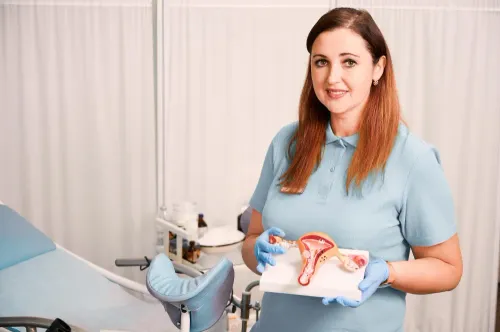
A hysterectomy is the surgical removal of the uterus and is recommended only when other treatment options are unlikely to provide lasting relief. Today, advances in minimally invasive surgery have made laparoscopic hysterectomy a preferred option for many women because it generally involves smaller incisions, reduced postoperative discomfort, and a quicker recovery compared to traditional open surgery.
Women in Byculla and nearby areas of Mumbai often have questions about when this procedure becomes necessary and whether it is the right choice for their condition. Dr Minu Pandey Gynaecologist believes that every woman should understand the reasons for surgery, the available alternatives, and the expected recovery before making an informed decision.
What Is a Laparoscopic Hysterectomy?
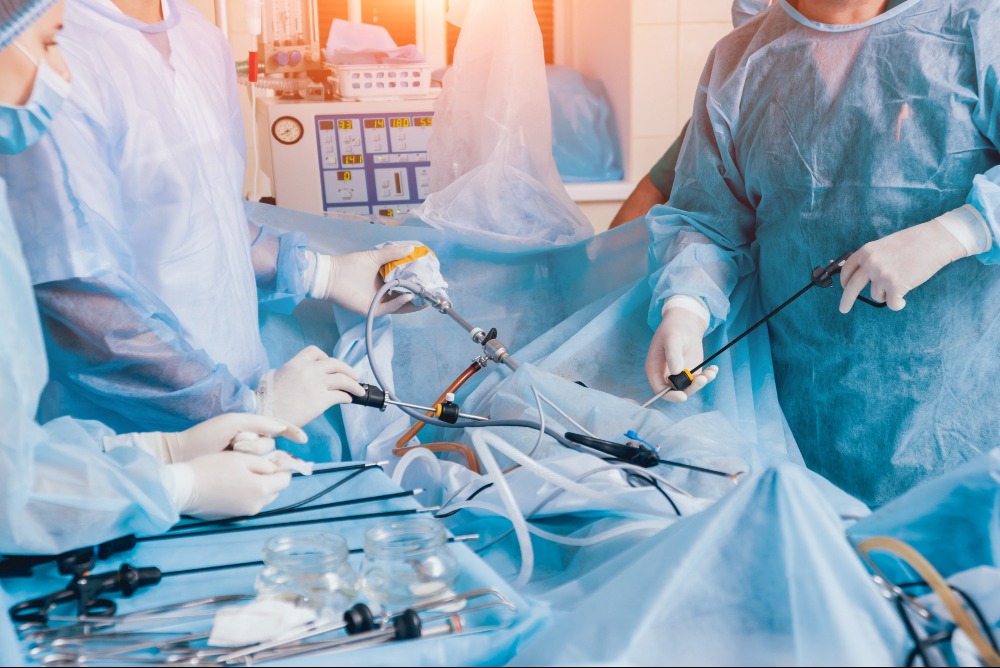
During a laparoscopic hysterectomy, the surgeon removes the uterus using specialised instruments inserted through small abdominal incisions. A tiny camera provides a magnified view of the pelvic organs, allowing the procedure to be performed with precision.
Depending on the medical condition, the surgery may involve removing only the uterus or include the cervix, ovaries, or fallopian tubes when medically indicated.
When Is This Surgery Recommended?
A laparoscopic hysterectomy may be advised for conditions such as:
- Large or symptomatic uterine fibroids
- Persistent abnormal uterine bleeding
- Severe endometriosis
- Adenomyosis
- Uterine prolapse in selected cases
- Certain precancerous conditions
The decision is based on the patient's symptoms, overall health, age, and future reproductive plans.
Advantages of a Minimally Invasive Approach
Compared with conventional open surgery, laparoscopic hysterectomy may offer several benefits:
- Smaller surgical scars
- Reduced blood loss
- Less postoperative pain
- Lower risk of wound-related complications
- Shorter hospital stay
- Faster return to normal daily activities
Individual recovery, however, depends on the patient's overall health and the complexity of the procedure.
Preparing for Surgery
Proper preparation contributes to a smoother surgical experience.
Your doctor may recommend:
- Blood investigations and imaging tests
- Review of current medications
- Medical fitness assessment
- Instructions regarding fasting before surgery
- Discussion about the expected recovery timeline
Understanding each step helps reduce anxiety before the operation.
Recovery After Laparoscopic Hysterectomy
Most women gradually resume light activities within a short period, although complete recovery takes several weeks.
Recovery recommendations usually include:
- Avoiding heavy lifting
- Walking regularly to improve circulation
- Eating a nutritious diet
- Attending scheduled follow-up visits
- Reporting fever, excessive bleeding, or severe pain immediately
Following postoperative instructions carefully supports better healing.
Frequently Asked Questions
Is laparoscopic hysterectomy suitable for every patient?
No. The choice of surgical approach depends on the medical condition, previous surgeries, uterine size, and overall health.
Will menopause begin after hysterectomy?
Not necessarily. Menopause depends on whether the ovaries are removed during surgery.
How long should I avoid strenuous activities?
Most women are advised to avoid heavy physical work for several weeks, depending on recovery and medical advice.
Women from Byculla, Lalbaug, Sewri, Parel, and nearby parts of Mumbai who experience persistent gynaecological symptoms should seek timely evaluation, as early treatment planning often provides more options and better long-term outcomes.