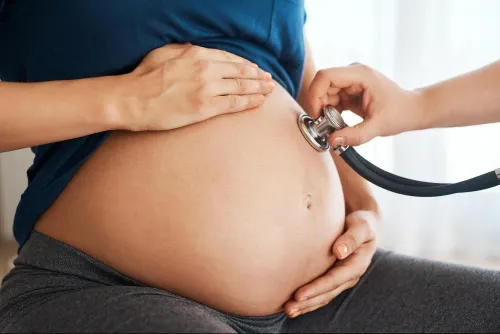
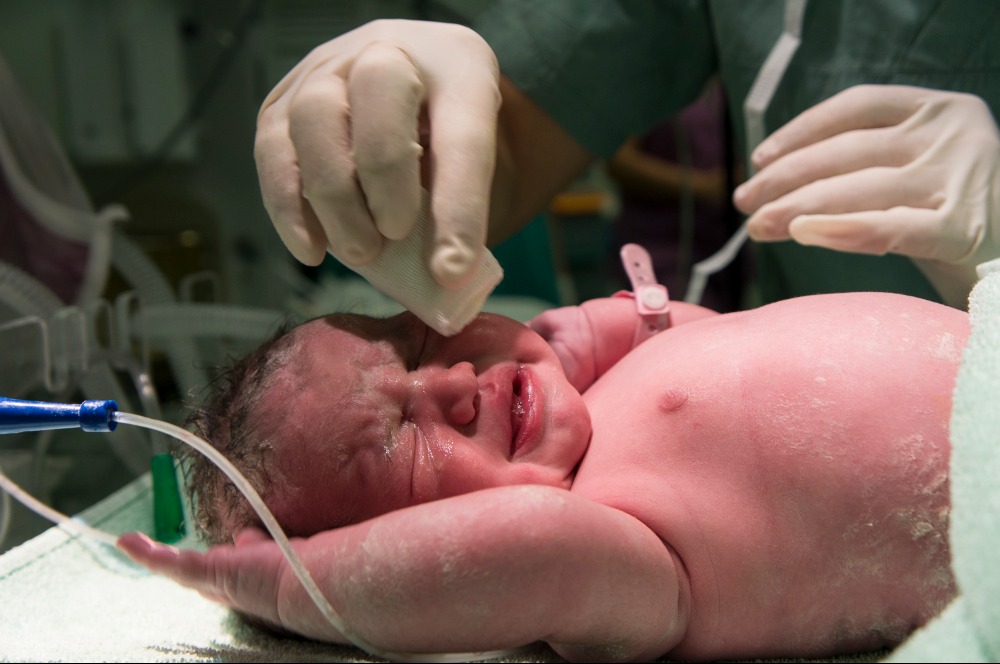
Many expectant mothers hope for a normal delivery because it usually allows quicker recovery, shorter hospital stays, and fewer surgical risks. However, every pregnancy is unique, and the safest method of childbirth depends on both the mother's health and the baby's condition.
Understanding what supports a successful vaginal birth helps women prepare physically and mentally throughout pregnancy. Dr Minu Pandey Gynaecologist focuses on evidence-based maternity care, ensuring that delivery decisions are based on medical safety rather than assumptions.
What Is a Normal Delivery?
A normal delivery refers to the birth of a baby through the birth canal without requiring a Caesarean section. Labour begins naturally or may occasionally be medically induced when necessary.
The process generally includes:
- Early labour
- Active labour
- Delivery of the baby
- Delivery of the placenta
Each stage is monitored carefully to ensure the well-being of both mother and child.
What Increases the Chances of Normal Delivery?
Although there are no guarantees, several factors improve the likelihood of vaginal birth:
- Regular antenatal check-ups
- Healthy weight gain
- Controlled blood pressure and blood sugar
- Appropriate exercise after medical advice
- Balanced nutrition
- Good fetal positioning
- Positive mental preparation
Preparation throughout pregnancy often influences labour outcomes.
Situations Where a Caesarean May Be Safer
A normal delivery may not always be the safest option. Doctors may recommend surgery if there is:
- Placenta previa
- Fetal distress
- Breech presentation
- Multiple pregnancy
- Failure of labour to progress
- Previous medical complications
The primary objective is always a healthy mother and healthy baby.
Preparing for Labour
Simple preparation can help women feel more confident before delivery.
Consider:
- Attending antenatal education sessions
- Learning breathing techniques
- Staying physically active within medical limits
- Packing the hospital bag in advance
- Discussing birth preferences with your doctor
These steps help reduce anxiety during the final weeks of pregnancy.
Recovery After Normal Delivery
Recovery is generally quicker than after major surgery, although rest remains essential.
Most women can gradually resume routine activities while following medical advice regarding:
- Nutrition
- Hydration
- Breastfeeding
- Pelvic floor exercises
- Postnatal check-ups
Proper recovery supports long-term maternal health.
Frequently Asked Questions
Is normal delivery always less painful?
Labour pain varies for every woman. Pain management options are available during childbirth.
Can first-time mothers have a normal delivery?
Yes. Many first pregnancies result in successful vaginal births when there are no medical complications.
Does exercise during pregnancy help?
Appropriate exercise may improve stamina and overall fitness, which can support labour after approval from your doctor.
When should I go to the hospital?
Regular contractions, leaking amniotic fluid, or vaginal bleeding are common reasons to seek immediate medical evaluation.
Women across Sion, Matunga, Chembur, Wadala, and nearby parts of Mumbai often benefit from early pregnancy planning and continuous antenatal care, helping them prepare for a safe and informed childbirth experience.
4. Fibroid Uterus Treatment in Wadala: When Should You Be Concerned?
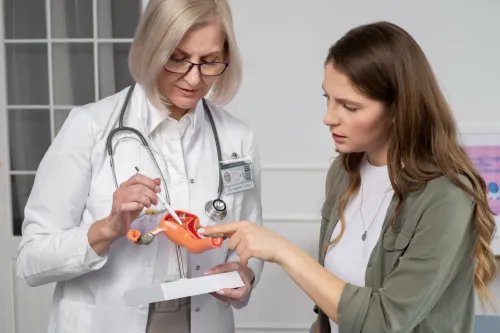
A fibroid uterus is a common condition affecting many women during their reproductive years. Fibroids are non-cancerous growths that develop in or around the uterus and can vary greatly in size, number, and location. While some women may never experience symptoms, others may face heavy menstrual bleeding, pelvic pain, or difficulty conceiving.
Women in Wadala and surrounding areas of Mumbai often discover fibroids during routine gynaecological examinations or pregnancy scans. Dr Minu Pandey Gynaecologist believes that every fibroid should be evaluated individually because treatment depends on symptoms, age, reproductive plans, and the size and position of the fibroids rather than their presence alone.
What Causes Uterine Fibroids?
The exact cause of fibroids is still not fully understood, but several factors are known to increase the likelihood of developing them.
These include:
- Hormonal changes involving estrogen and progesterone
- Family history of fibroids
- Obesity
- Delayed pregnancy
- Increasing age during reproductive years
Although fibroids are usually benign, regular monitoring is important because they may continue growing over time.
Symptoms That Should Not Be Ignored
Some fibroids remain symptom-free, while others interfere with daily life. You should consult a gynaecologist if you notice:
- Heavy or prolonged menstrual bleeding
- Pelvic pressure or discomfort
- Frequent urination
- Lower back pain
- Pain during intercourse
- Constipation due to pressure on the bowel
- Difficulty becoming pregnant
- Recurrent miscarriages in certain cases
Not every symptom indicates fibroids, making professional evaluation essential.
How Are Fibroids Diagnosed?
Diagnosis usually begins with a detailed medical history and pelvic examination. Depending on the findings, your doctor may recommend:
- Pelvic ultrasound
- Transvaginal ultrasound
- MRI in selected cases
- Blood tests if heavy bleeding has caused anaemia
These investigations help determine the best management plan.
Do All Fibroids Require Surgery?
No. Many women can be managed without surgery.
Treatment options may include:
- Observation with regular follow-ups
- Medication to reduce symptoms
- Hormonal therapy in selected cases
- Minimally invasive procedures
- Surgery for large, symptomatic, or fertility-related fibroids
The choice depends on individual health goals and symptom severity.
Living Comfortably with Fibroids
Maintaining a healthy lifestyle may help improve overall well-being while undergoing treatment.
Simple measures include:
- Eating iron-rich foods if bleeding is heavy
- Staying physically active
- Managing weight
- Keeping regular follow-up appointments
- Reporting any sudden increase in pain or bleeding
Frequently Asked Questions
Can fibroids become cancerous?
Cancerous changes are extremely rare. Most uterine fibroids remain benign throughout life.
Can fibroids affect pregnancy?
Some fibroids may interfere with pregnancy depending on their size and location, while many women have completely healthy pregnancies despite having fibroids.
Can fibroids disappear naturally?
Small fibroids may shrink after menopause due to reduced hormone levels, but this varies between individuals.
Women from Wadala, Sewri, Lalbaug, Byculla, and neighbouring parts of Mumbai should not ignore persistent menstrual problems. Early diagnosis helps preserve reproductive health and improves treatment outcomes.