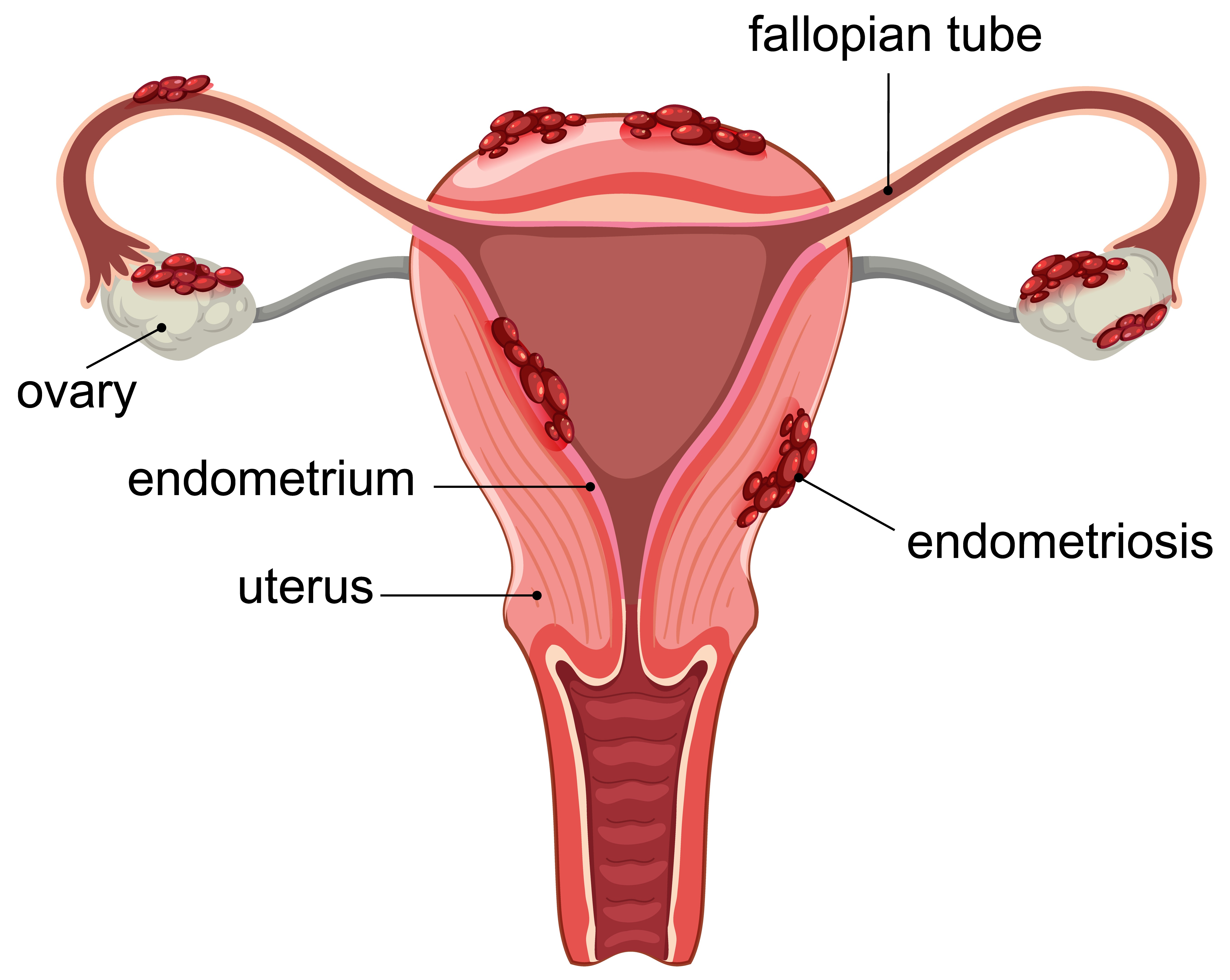
Treatment for endometriosis often begins after years of symptoms being brushed aside as “normal period pain.” Many women continue their routines while quietly managing severe cramps, pelvic discomfort, fatigue, or bloating every month, assuming it is something they simply have to tolerate.
Over time, though, the pain may start affecting more than just menstrual cycles. Sitting through office hours becomes exhausting, sleep gets disturbed during periods, and even social plans begin revolving around discomfort levels. Some women notice sharp pelvic pain occasionally, while others experience a constant dull heaviness that slowly becomes part of daily life.
Endometriosis occurs when tissue similar to the uterine lining starts growing outside the uterus, leading to inflammation and irritation in nearby areas. The condition does not always look the same in every patient, which is one reason diagnosis sometimes takes time. A woman with severe symptoms may have a small area affected, while another with extensive endometriosis may experience very different signs.
Quite often, patients seek medical advice only after the symptoms begin interfering with work, emotional wellbeing, or fertility planning. That delay is common. Pelvic pain is still something many women normalize for years before realizing it may need proper gynecological evaluation.
Depending on the condition, treatment for endometriosis may involve hormonal management, medication support, lifestyle guidance, or minimally invasive procedures aimed at improving comfort and reducing symptom severity. The goal is usually to help patients regain a better sense of normalcy in their daily routines.
For women looking for treatment for endometriosis and pelvic pain management in Dadar, Dr. Minu Pandey provides gynecological consultations focused on symptom evaluation, long-term women’s health support, and personalized treatment planning.